Short Sale vs. Foreclosure in Denver: What Sellers and Buyers Should Know
November 16, 2026
How short sales and foreclosures work in Colorado, what 2026 Denver metro numbers show, and what to do if you're considering either.
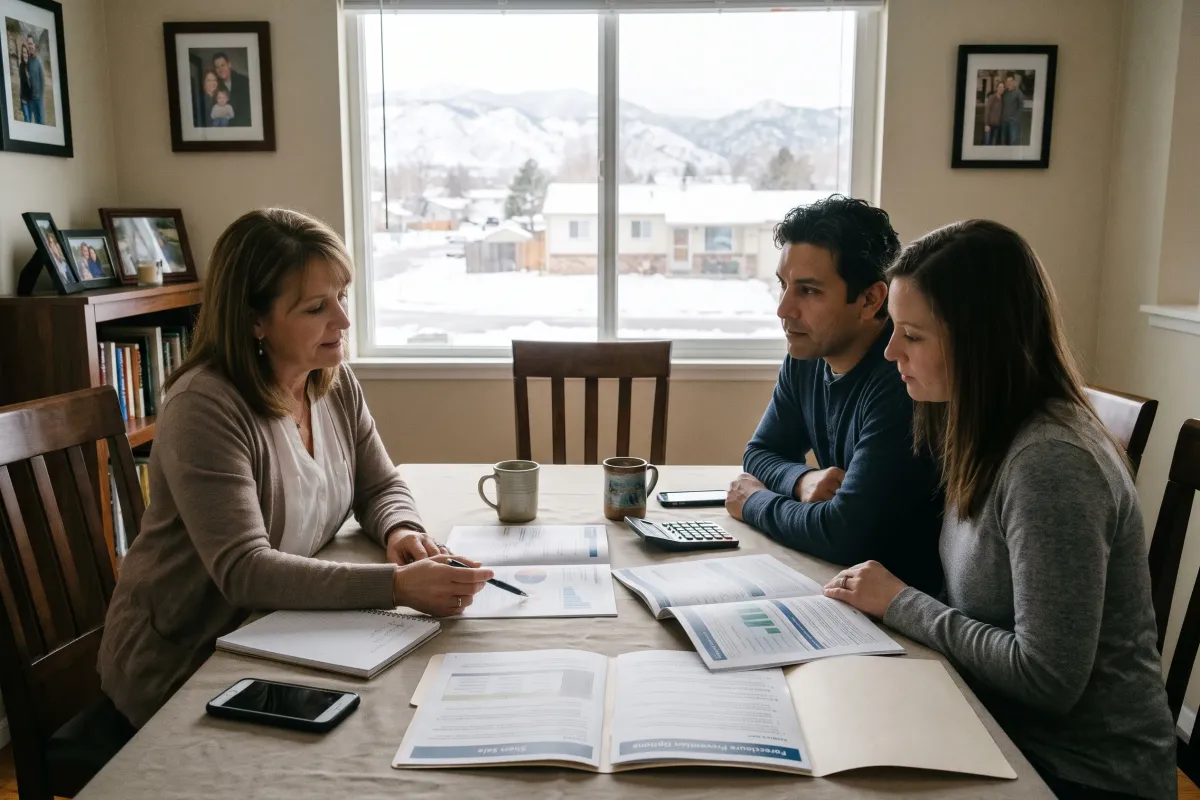
How short sales and foreclosures work in Colorado, what 2026 Denver metro numbers show, and what to do if you're considering either.
Published on November 16, 2026
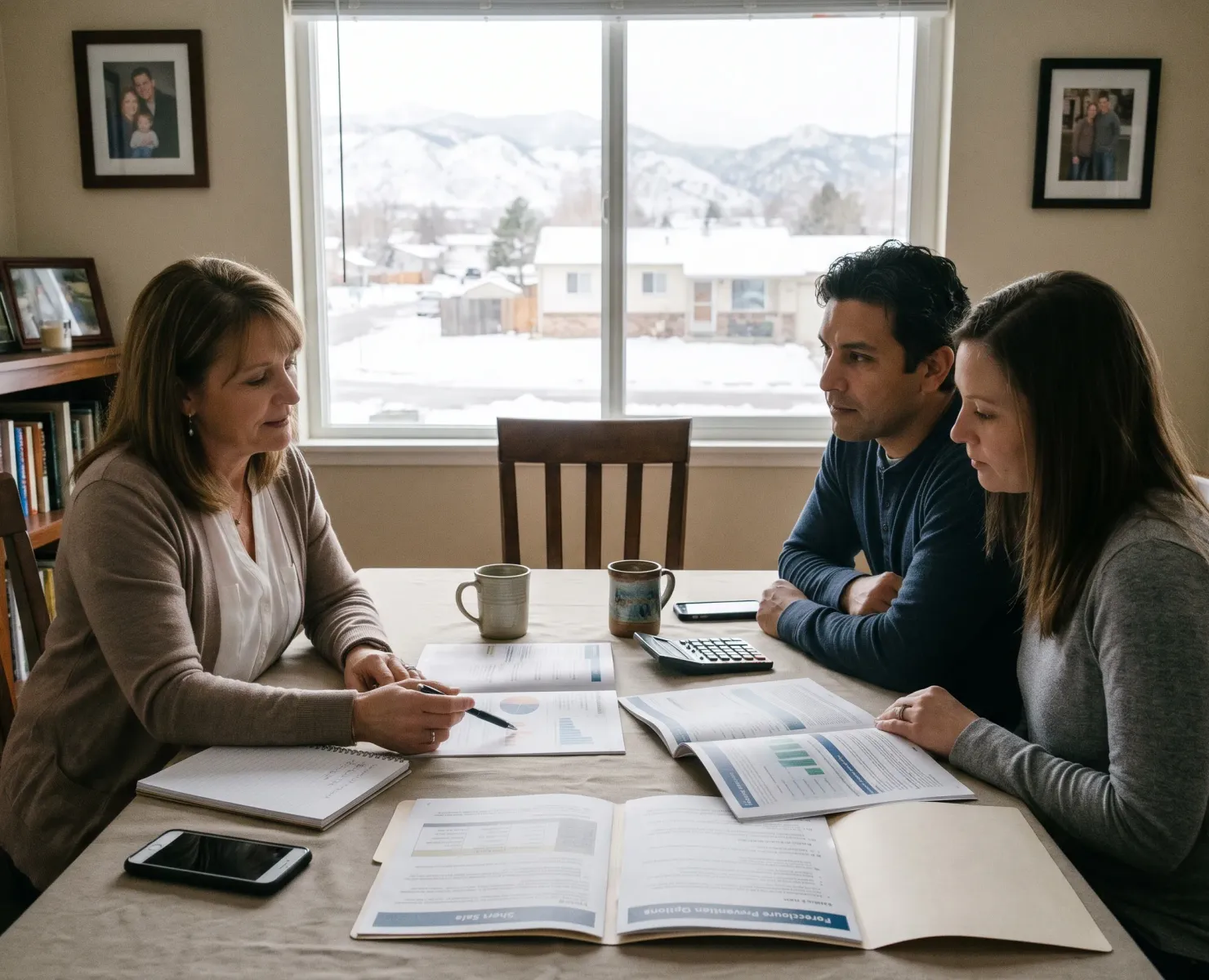
With all of the recent media coverage of the word ‘foreclosure’, it has become a hot topic in Arvada and the rest of the Denver Metro area. In this post we’ll outline the basic facts surrounding two paths homeowners hear about most: the short sale and the full foreclosure. Knowing your options before the clock starts ticking is key.
A short sale happens when a homeowner sells their home for less than what is left on their mortgage and the lender agrees to accept the lower amount. The homeowner lists the home and a buyer makes an offer. That offer is then submitted to the homeowner’s lender for approval. Approval of a short sale can take months. After a short sale, borrowers can often qualify for new mortgage financing in about 4 years, according to a July 2026 Real Estate News report which cited the research of Realtor.com.
A foreclosure begins when a homeowner misses mortgage payments and the loan goes unresolved. In Colorado, the lender’s formal foreclosure process generally runs through the county Public Trustee. In a foreclosure, the lender sets the price that it will accept for the home and the homeowner has no control over the process. The same Real Estate News report put the wait to requalify for a mortgage after a foreclosure at about 7 years.
Foreclosure activity is up, and Colorado is one of the states where it has climbed fastest. According to a Real Estate News article published online July 17, 2026, the state’s activity is up 57% over the first half of the year when compared to the same time period in the previous year. According to a report published by the business news publication Quartz, utilizing data from the foreclosure tracking firm ATTOM, Colorado had 2,092 foreclosure filings in the first quarter of this year, an increase of 74.04% over the same period in 2025. Bank repossessions rose from 99 to 321.
To put these numbers into better perspective, it helps to look at the current numbers for the Denver Metro area as reported by the Denver Metro Association of REALTORS (DMAR) in their October 2026 Market Trends Report, released November 4, 2026 using data from REcolorado. In short, the market is not collapsing into a huge downturn, but there are definite soft spots. The number of homes on the market (or active inventory) sits around 13,000 homes in the Denver Metro area – up 3.87% over last October. The detached median price was $645,000, just 0.64% below a year ago, while the attached median for condos and townhomes was $375,000, down 3.25%, with more than seven months of supply.
As prices have continued to hold, there is still plenty of room for negotiation. In October 65% of all homes sold with a seller concession averaging $12,557. The number of closings declined 23.54% from last October to the fewest October closings since 2010. This decrease in sales, combined with increasing distress, is something to monitor even as prices continue to hold.
For homeowners behind on their mortgage payments and those worried that a payment will become overdue in the near future, the most critical action is to contact the lender and a Colorado real estate attorney as soon as possible. Lenders generally have more options before a foreclosure begins, and a short sale only works if there is time to list the home and get an approval. Both short sales and foreclosures have tax and credit consequences that a homeowner needs to know prior to selecting a course of action.
Whether you’re a buyer looking at a distressed property or a seller facing the very real possibility of foreclosure, we understand the issues facing short sale sellers and distressed property buyers in Arvada and Denver. An experienced local agent can advise you on whether a distressed property is right for you and whether the savings are worth the wait.
Whether you are a buyer or seller, we’re here to talk it through, no pressure. Give Jeff a call or text at 720-301-3334 or go to SpikerRealty.com.
This post is general information, not legal, tax, or financial advice. Please talk with a lender and an attorney about your own situation.
Sources: Denver Metro Association of REALTORS, October 2026 Market Trends Report (Nov. 4, 2026); Real Estate News, “Foreclosures, short sales rise as homeowners weigh their options” (July 17, 2026); Quartz, “U.S. states where foreclosure filings are rising fastest in 2026” (citing ATTOM).
Whether you're buying, selling, or just weighing your options across the Denver Metro, Jeff & Brooke are happy to help you find the right next step — no pressure, just honest guidance.
November 16, 2026
How short sales and foreclosures work in Colorado, what 2026 Denver metro numbers show, and what to do if you're considering either.
November 9, 2026
Genesee home prices, sales pace and risk data from Redfin, plus what buyers and sellers should weigh near Genesee Park in Golden, Colorado.

October 27, 2026
Odors, lighting, small repairs, clutter and curb appeal: the five little things Denver-area buyers notice first, and how to fix them before you list.